












- LP FARO254LP£21.99Out of stock Notify me when in stock
- CD FARO254CD£10.99Out of stock Notify me when in stock
- Grupo Um – Absurdo Mudo
- Grupo Um – Cortejo Dos Reis Negros (Version 2)
- Grupo Um – Festa Dos Pássaros / Dois Segundos Por Segundo
- Grupo Um – Sambapsis
- Grupo Um – Mobile/Stabile
- Grupo Um – Valsa Cromatica
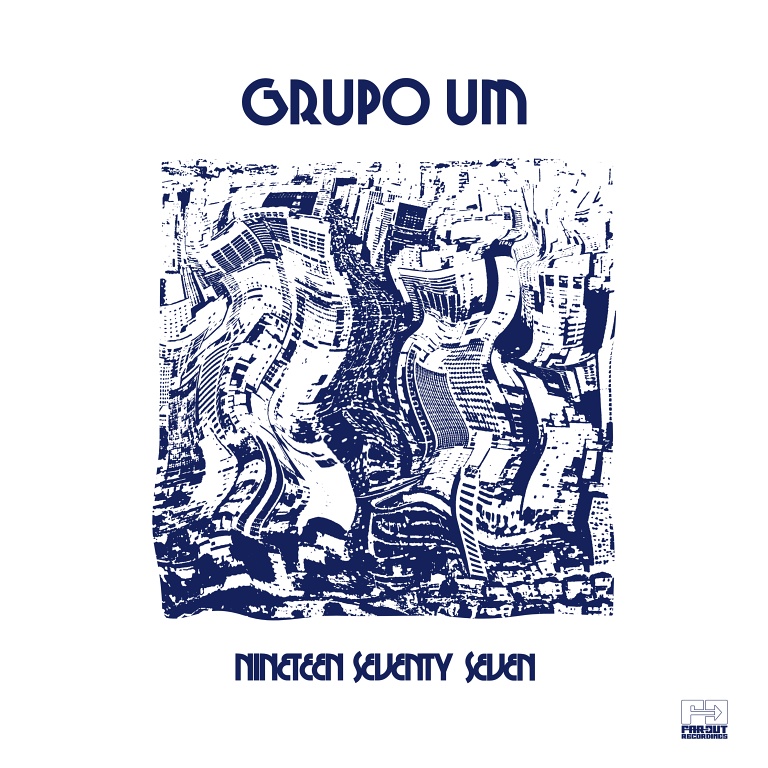
Brazilian avant-jazz vanguardists Grupo Um celebrate their 50th anniversary, sharing a second previously lost 1970s album from the vaults. Nineteen Seventy Seven (titled after the year it was recorded) is another rip-roaring instrumental fusion treasure from the band which spawned from within Hermeto Pascoal’s famed mid-1970s São Paulo collective.
Like their debut album Starting Point, Grupo Um’s Nineteen Seventy Seven was recorded when Brazil's military dictatorship was at its most repressive. “There were no open doors to those who dreamt to be protagonists in creative instrumental music”, remembers drummer Zé Eduardo Nazario, “even popular composers and singers had to submit their songs to censors and many records were banned and confiscated from the stores.”
Just like Hermeto Pascoal's Viajando Com O Som (1977) and Grupo Um's previous album Starting Point (1975), both of which remained unreleased until the 21st century, Zé Eduardo asserts that the 1977 album was flatly 'without any chance to be released at that time."
Recorded at Rogério Duprat’s Vice-Versa Studios in São Paulo, the group were under both time and space restraints, “we chose the small Studio B,” Lelo Nazario recalls, “which had a Tascam (TE AC) 12x8 console and a 4-channel AMPEX AG 440 machine. Therefore, we had to record without overdubs, everything straight to tape.”
Expanding from a trio to a quintet, original Grupo Um members Lelo Nazario (keys), Zé Eduardo Nazario (drums), and Zeca Assumpção (bass) were joined by saxophonist Roberto Sion and percussionist Carlinhos Gonçalves. Carlinhos, Zé and Zeca had already played together in the group Mandala, while brothers Lelo and Zé had just finished a stint backing Hermeto Pascoal during his years in São Paulo.
Lelo was deeply immersed in modular synthesizer experimentation during this period, working extensively with the ARP2600 and EMS Synthi AKS. These electroacoustic explorations formed the sonic foundation for "Mobile/Stabile," one of his first compositions to merge modular synthesis with Brazilian music, a fusion that would ripple throughout the Brazilian jazz scene. The piece premiered at the first São Paulo International Jazz Festival in 1978, performed by Grupo Um with guest trumpeter Márcio Montarroyos. In a shocking moment, festival organizers interrupted the show mid-performance, sparking fierce backlash from both audience members and journalists who denounced the incident as artistic censorship during Brazil's era of political and cultural repression. The version on Nineteen Seventy Seven is the first recording of the composition.
Nineteen Seventy Seven combines Afro-Brazilian rhythm, modular synthesis and a plethora of whistles, percussion and effects pedals. Album opener “Absurdo Mudo” - so titled for the absurd difficulty it poses to the musicians performing it - starts out in a cloud of mysterious dissonance, before the haze breaks for a glorious keyboard and saxophone interplay atop an uptempo samba groove. “Cortejo dos Reis Negros (Version 2)” (Procession of the Black Kings), based on the maracatu rhythm, inverts the traditional jazz song structure by beginning with improvisations, which are followed by the theme and a final coda. “The studio also had two Parasound electronic reverb units,” Lelo notes, “and the timbre is very audible on the soprano sax and percussion.”
Grupo Um’s daring music represents a manifesto of resistance during the dictatorship years, but it’s one which remains just as relevant today. As Lelo puts it: “For me, the aesthetic issue has always been about combining contemporary avant-garde languages with Brazilian music, independent of categories and commercial interests. The result of this fusion takes music to a new level.”

- LP FARO244LP£25.99In stockAdd to Bag
- CD FARO244CD£12.99Out of stock Notify me when in stock

- New LP (Coloured Vinyl) FARO159LPX£18.00Out of stock Notify me when in stock
- CD FARO159CD£8.99In stockAdd to Bag

- – Na Carioca
- – 17 de Janeiro
- – Forró No Encontro Dos Rios
- – No Varal
- – Vale de Luz
- – Bota Para Quebrar
- – Doce
- – Muito Natural
- – Ao Pé Da Lareira
- 1. – Na Carioca
- 2. – 17 de Janeiro
- 3. – Forró No Encontro Dos Rios
- View full info and tracklisting
- New LP (180g) + Download Code FARO206LP£20.99Out of stock Notify me when in stock
- 2×CD FARO206CD£12.99In stockAdd to Bag
- 12" (Coloured Vinyl) BF157£21.99• Strictly Limited screen-printed 'blue' 140g vinyl housed in a 3mm spined sleeve.
• 12x12” sticker sheet.In stockAdd to Bag
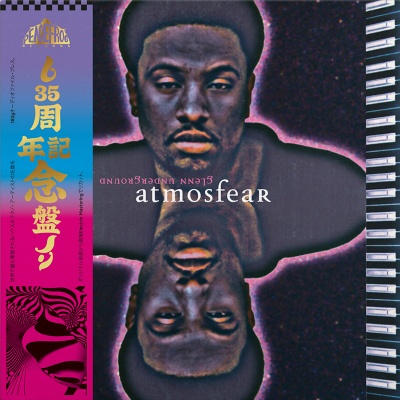
- – Israelee Night Falls
- – Entercourse Of The New Age
- – Rising Son
- – May Datroit
- – Colouration
- – Dance Slam
- – Sound Struck
- – Sound Struck
- 1. – Israelee Night Falls
- 2. – Entercourse Of The New Age
- 3. – Rising Son
- View full info and tracklisting
- New 2×LP (Coloured Vinyl) PF43XXXV£36.99'Smokey' coloured vinyl.Coming soon
Notify me when in stock
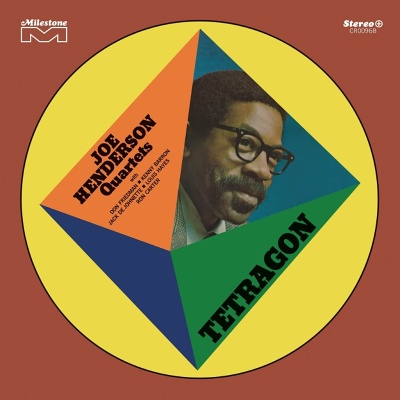
- – Invitation
- – R. J.
- – The Bead Game
- – Tetragon
- – Waltz For Zweetie
- – First Trip
- – I've Got You Under My Skin
- 1. – Invitation
- 2. – R. J.
- 3. – The Bead Game
- View full info and tracklisting
- LP 7273607£36.99In stockAdd to Bag

- – Sabalo Caliente
- – Marucha
- – La Gustadera
- – Fiestas Cordobesas
- – Los Sampayos
- – Chicha Sabrosa
- – Chambacu
- – Pantalon Caliente
- – El Mosquito
- – El Dia Que Te Vi
- – Recuerdo Al Viento
- – Se Atropella El Castellano
- 1. – Sabalo Caliente
- 2. – Marucha
- 3. – La Gustadera
- View full info and tracklisting
- LP VAMPI346£25.99Out of stock Notify me when in stock
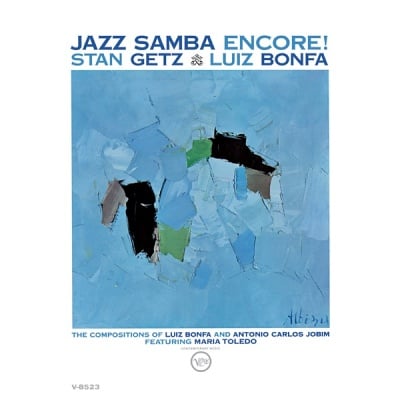
- – Sambalero
- – So Dance Samba
- – Insensatez
- – O Morro Nao Tem Vez
- – Samba De Duas Notas (Two Note Samba)
- – Menina Flor
- – Mania De Maria
- – Saudade Vem Correndo
- – Um Abraco No Getz (A Tribute To Getz)
- – Ebony Samba
- 1. – Sambalero
- 2. – So Dance Samba
- 3. – Insensatez
- View full info and tracklisting
- LP 8820214£36.99Part of Verve’s ‘Acoustic Sounds’ series.Out of stock Notify me when in stock
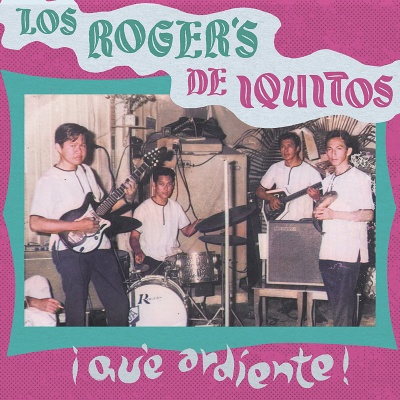
- – Descarga Rogers
- – D'cachetito
- – La Saiba
- – Son de Los Rogers
- – Compay Sapo
- – Bossa 70
- 1. – Descarga Rogers
- 2. – D'cachetito
- 5. – La Saiba
- View full info and tracklisting
- LP VAMPI345£28.99Out of stock Notify me when in stock
- LP 7898487£27.99Part of Verve’s ‘Vault’ series.In stockAdd to Bag
- – Oby Onyioha - Raid Dem Jah
- – Alphonsus Idigo - Mystic World
- – Sheila & Des Majek - Mother Nature
- 6. – Oby Onyioha - Raid Dem Jah
- 10. – Alphonsus Idigo - Mystic World
- 11. – Sheila & Des Majek - Mother Nature
- View full info and tracklisting
- 2×LP LPSNDW162£28.99In stockAdd to Bag

- 3×LP BBE786CLP£35.99Out of stock Notify me when in stock

- The Gladiators – Bongo Red
- The Gladiators – Bongo Red Version
- 1. The Gladiators – Bongo Red
- 2. The Gladiators – Bongo Red Version
- View full info and tracklisting
- 7" SJR581-7£13.00In stockAdd to Bag
- – Linda - I Love Soweto
- 1. – Linda - I Love Soweto
- View full info and tracklisting
- 12" KALITA12026£17.99In stockAdd to Bag
- – To Have A Home
- – Marcus Garvey
- – Little Herb Spliff
- – Standing On The Hillside
- 1. – To Have A Home
- 3. – Marcus Garvey
- 8. – Little Herb Spliff
- View full info and tracklisting
- LP JFRLP05£24.00In stockAdd to Bag
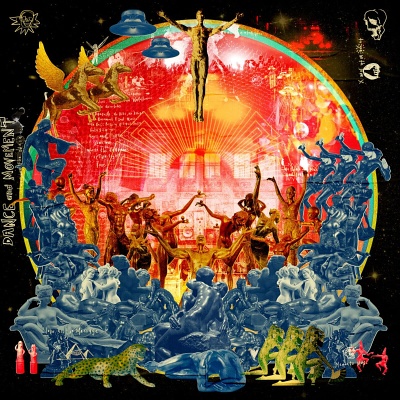
- – Harris & Orr - Spread Love
- – Terry And Deep South - Trying To Get By
- – Toshiyuki Honda - Burnin' Waves
- – Igna Igwebuike - Disco Bomp
- – Janette Renee - What's On Your Mind (Super Club Remix)
- – Grupo Serenata - Sodade, Tem Pena D'Mim
- – Vital Disorders - Zombie
- – Alphonsus Idigo - Flight 505
- – DJ Food - Peace (Harvey's 30 Something Mix)
- – Man Jumping - In The Jungle
- – Stars - Dancin' People
- – Gaucho - Dance forever (Club Version)
- – 49th Floor - Night Passage (Bongo Mix)
- – Orion Agassi - Desacato
- – Fatdog - Remember (Ft. CJ Raine)
- 1. – Harris & Orr - Spread Love
- 2. – Terry And Deep South - Trying To Get By
- 3. – Toshiyuki Honda - Burnin' Waves
- View full info and tracklisting
- LP MRBLP328£25.99Out of stock Notify me when in stock
- CD MRBCD328£11.99Out of stock Notify me when in stock
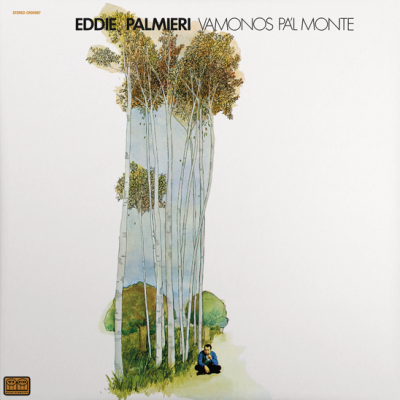
- LP 7273978£31.99In stockAdd to Bag
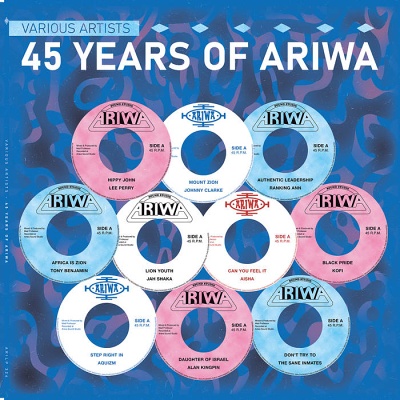
- Kofi – Black Pride
- Jah Shaka – Lion Youth
- Lee Perry – Hippy John
- Aquizim – Step Right In
- Aisha – Can You Feel It
- Sane Inmates – Don't Try
- Johnny Clarke – Mount Zion
- Tony Benjamin – Africa Is Zion
- King Pin – Daughter Of Israel
- Ranking Ann – Authentic Leadership
- 1. Kofi – Black Pride
- 2. Jah Shaka – Lion Youth
- 3. Lee Perry – Hippy John
- View full info and tracklisting
- LP ARILP326£20.00Out of stock Notify me when in stock

- – Kemd'layey
- – Meleyayet Mot Naw
- – Zerafewa
- – Shemonmuanaye
- – Yezemed Yebada
- – Hakim Zemose
- – Yene F'qr
- – Skaysi Y'ke'al'yu
- – Turumbule
- – Ay W'bet
- – Asa'belashalehu
- – Yenuro Meten'sh'n
- 1. – Kemd'layey
- 2. – Meleyayet Mot Naw
- 3. – Zerafewa
- View full info and tracklisting
- 2×LP MUZLP003£28.99Out of stock Notify me when in stock
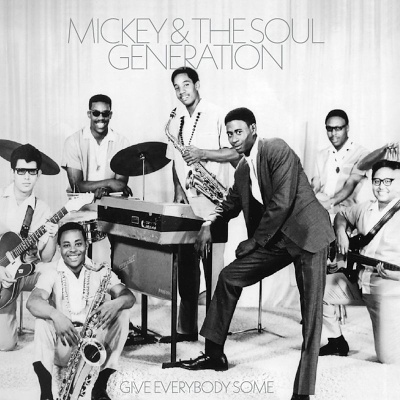
- – Iron Leg
- – Give Everybody Some
- – Football
- – Chocolate
- – UFO
- – Mystery Girl
- – Get Down Brother
- – Up The Stairs And Around The Bend
- – The Whatzit
- – Soulful Sickness
- – Joint Session
- – Message From A Black Man
- 1. – Iron Leg
- 2. – Give Everybody Some
- 3. – Football
- View full info and tracklisting
- New LP (Coloured Vinyl) NUM610LP-C2£25.99'Iron' coloured vinyl.In stockAdd to Bag
- LP NUM610LP£24.99In stockAdd to Bag
- New LP (Coloured Vinyl) CSR362LP£25.99Out of stock Notify me when in stock
- CD CSR362CD£12.99In stockAdd to Bag
- – Roland Bocquet - Fête
- – Alice Swoboda - think it’s Time (You Were Mine)
- – Mary Love - Lay this Burden Down
- – Stoney and Meatloaf - What You See is What You Get
- – Alan Price - Left over People
- – Bobby Conn - Never Get Ahead
- – The Snivelling Shits - Terminal Stupid
- – Sailor - A Glass of Champagne
- – Supersempfft - I See Stars
- – Demis Roussos - I Dig You
- – Ron Rogers - YaYa (Nelue Rework Mutant Disco Edit)
- – The Staple Singers - Slippery People (Club Version)
- – Alfie Davison - Love Is a Serious Business
- – Andre Willliams / Velvet Hammer - Happy (Is My Life)
- – Bobby Garrett - My Little Girl
- – Flash and the Pan - Waiting for a Train
- – Bell X1 - Flame (Chicken Lips Version)
- – Method Man - Release Yo’Delf (Prodigy Remix)
- – Aaron Carl - Hateful
- – St. Germain - Rose Rouge
- – Big Hard Excellent Fish - Imperfect List Pt.1
- – Rene Halkett / David Jay - Nothing
- 1. – Roland Bocquet - Fête
- 2. – Alice Swoboda - think it’s Time (You Were Mine)
- 3. – Mary Love - Lay this Burden Down
- View full info and tracklisting
- New 2×LP (Coloured Vinyl) BN17LPX£41.99'Pink Rose' coloured vinyl.Out of stock Notify me when in stock
- CD BN17CD£12.99Out of stock Notify me when in stock
- 3×LP (Coloured Vinyl) BN13LPX£43.99In stockAdd to Bag
- – Human Voice
- – T246 130ish Electribe Plaits
- 1. – Human Voice
- 2. – T246 130ish Electribe Plaits
- View full info and tracklisting
- 12" TEXT058£14.99Out of stock Notify me when in stock
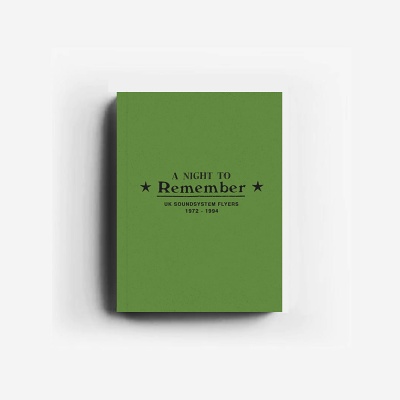
- Book (650g) DEATH116£17.99Out of stock Notify me when in stock
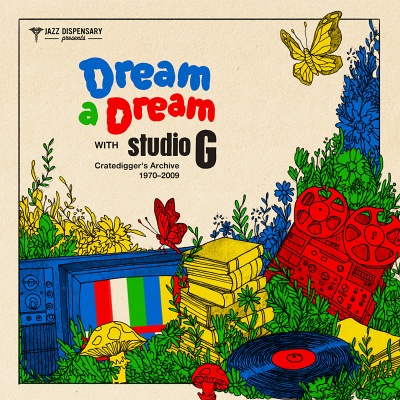
- – Will Thomson/Paul Mottram - lectrospheres/Incandescence (Psychotropic Hopping Morning)
- – Paul Lewis - Hello Spring
- – Douglas Wood - Making Parts
- – Paul Lewis - Goodbye Autumn
- – Paul Lewis - Colourful Life Suite: Flowers
- – Peter Nicholas - Pastoral Reflections
- – Vince Cross - One Summer's Night
- – James Harpham - Slow Motion
- – James Harpham - Candle Flute/Mexican Motel
- – Cliff Johns - Man O'Vibes
- – James Harpham - Asian Dolls
- – James Harpham - Pastoral
- – James Harpham - Flower Garden
- – Liane Carroll - Sweet Dreams
- – Bob Cort - Humming Song
- – James Harpham - Flight Landing (Space Temple Midnight)
- – John Hyde, Andrew Procter - Promise Of Beauty
- – Trevor Nightingale - On The Wing
- – James Asher/Pete Willsher, Tony Kelly - Extra Silky/Funk Fobia
- – Trevor Nightingale - Wastelands
- – Stan Medcalf / Pete Giles, Sean Houchin - Computer Games/Night Trawler
- – James Asher - Asian Workload
- – John Brown - Slope Soaring
- – James Harpham - Star Blossom
- – David Stoll - Tight Corner
- – John Hyde, Andrew Procter - Private Thoughts
- – Harry Wild - Barcarolle Blues
- 1. – Will Thomson/Paul Mottram - lectrospheres/Incandescence (Psychotropic Hopping Morning)
- 2. – Paul Lewis - Hello Spring
- 3. – Douglas Wood - Making Parts
- View full info and tracklisting
- New LP (Coloured Vinyl) 7270008£31.99Out of stock Notify me when in stock