





















- LP 7451107771066£19.99Ipanema Sun VersionOut of stock Notify me when in stock
- Caetano Veloso & Gal Costa – Coração Vagabundo
- Caetano Veloso & Gal Costa – Onde Eu Nasci Passa Um Rio
- Caetano Veloso & Gal Costa – Avarandado
- Caetano Veloso & Gal Costa – Um Dia
- Caetano Veloso & Gal Costa – Domingo
- Caetano Veloso & Gal Costa – Nenhuma Dor
- Caetano Veloso & Gal Costa – Candeias
- Caetano Veloso & Gal Costa – Remelexo
- Caetano Veloso & Gal Costa – Minha Senhora
- Caetano Veloso & Gal Costa – Quem Me Dera
- Caetano Veloso & Gal Costa – Maria Joana
- Caetano Veloso & Gal Costa – Zabelê
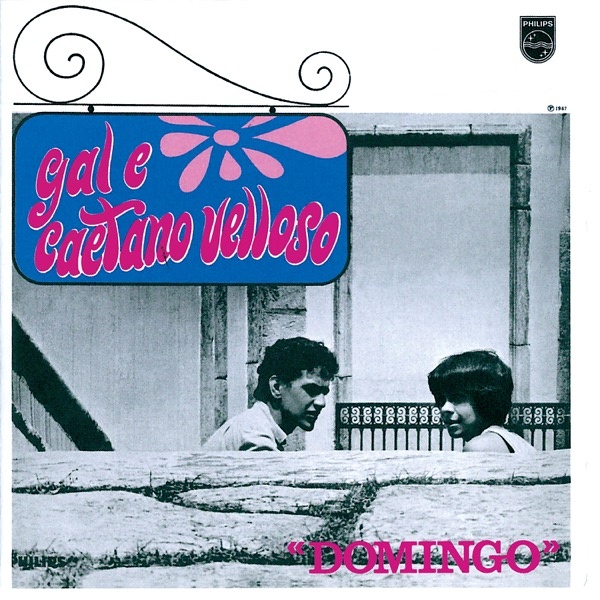
Gal Costa and Caetano Veloso debuted in the music industry in 1965, recording a single each, when João Araújo, director of Philips (Universal Music) record label, decided to launch an album with the two young artists together.
Dori Caymmi produced and wrote some of the arrangements, alongside with Francis Hime and Roberto Menescal. Although the bossa nova influence is noticeable in the sound and performances of Gal and Caetano, fans of João Gilberto, the repertoire of "Domingo" is written by composers of a new generation who disseminated their compositions at song festivals.
Nationally recognized for the success of "Arrastão" (1965), Edu Lobo's "Candeias" was immortalized by Gal. The romantic songs "Minha senhora" and "Zabelê" are by Gilberto Gil and Torquato Neto, future participants in the Tropicalista movement. Torquato also signed his first collaboration with Caetano, "Nenhuma dor."
Another name that would become associated with festival-derived MPB, Sidney Miller, is the author of the samba "Maria Joana." Caetano's gentle early compositions, such as "Avarandado," looks like was tailor-made for Gal's crystalline voice, and "Coração vagabundo," one of three duets, becomes the album's hit, inaugurating one of the most celebrated, fertile, and long-lasting partnerships in Brazilian music.
- LP 5708533£36.99Part of Verve’s ‘Acoustic Sounds’ series.Expected 28 AugPreorder
- LP 5733745£27.99Part of Verve’s ‘Vault’ series.In stockAdd to Bag

- LP 5733743£27.99Part of Verve’s ‘Vault’ series.In stockAdd to Bag

- LP 5708506£31.99In stockAdd to Bag
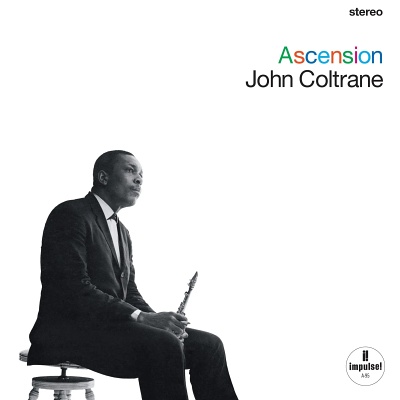
- 2×LP 95711798£36.99Part of Verve’s ‘Vault’ series.In stockAdd to Bag

- LP 5701514£27.99Part of Verve’s ‘Vault’ series.In stockAdd to Bag
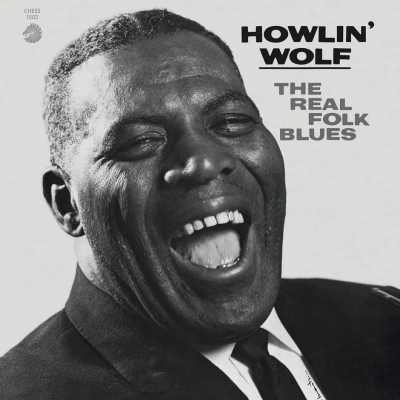
- – Killing Floor
- – Louise
- – Poor Boy
- – Sittin' On Top Of The World
- – Nature
- – My Country Sugar Mama
- – Tail Dragger
- – Three Hundred Pounds Of Joy
- – Natchez Burnin'
- – Built For Comfort
- – Ooh Baby, Hold Me
- – Tell Me What I've Done
- 1. – Killing Floor
- 2. – Louise
- 3. – Poor Boy
- View full info and tracklisting
- LP 5716436£45.99Part of Verve’s ‘Acoustic Sounds’ series.In stockAdd to Bag
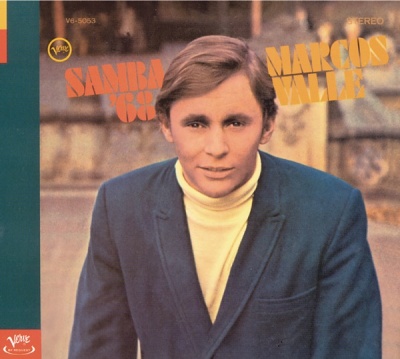
- – The Answer
- – Crickets Sing For Anamaria
- – So Nice (Summer Samba)
- – Chup Chup, I Got Away
- – If You Went Away
- – Pepino Beach
- – She Told Me, She Told Me
- – It's Time To Sing
- – Batucada
- – The Face I Love
- – Safely In Your Arms
- 1. – The Answer
- 2. – Crickets Sing For Anamaria
- 3. – So Nice (Summer Samba)
- View full info and tracklisting
- LP 95701512£27.99Part of Verve’s ‘Vault’ series.In stockAdd to Bag
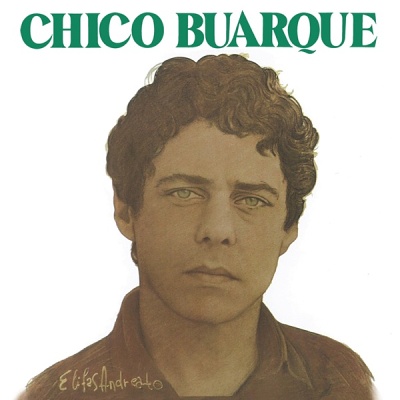
- – Vida
- – Mar E Lua
- – Deixe A Menina
- – Já Passou
- – Bastidores - Backstage
- – Qualquer Canção
- – Fantasia
- – Eu Te Amo
- – De Todas As Maneiras
- – Morena De Angola
- – Bye Bye Brasil
- – Não Sonho Mais
- 1. – Vida
- 2. – Mar E Lua
- 3. – Deixe A Menina
- View full info and tracklisting
- New LP (Coloured Vinyl) 5562763£27.99'Green' coloured vinyl.In stockAdd to Bag

- – Africa
- – Greensleeves
- – Blues Minor
- – Song Of The Underground Railroad
- 1. – Africa
- 2. – Greensleeves
- 3. – Blues Minor
- View full info and tracklisting
- LP 5708460£36.99Part of Verve’s ‘Acoustic Sounds’ series.In stockAdd to Bag
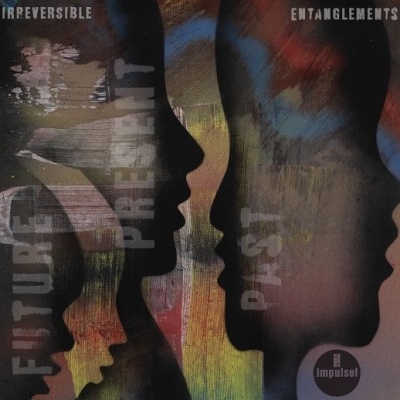
- LP 5716028£27.99In stockAdd to Bag
- CD 5716029£15.99In stockAdd to Bag
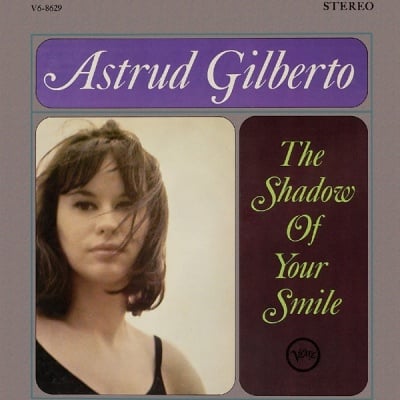
- – Love Theme From "The Sandpiper" (The Shadow Of Your Smile)
- – (Take Me To) Aruanda
- – Manha De Carnaval
- – Fly Me To The Moon
- – The Gentle Rain
- – Non-Stop To Brazil
- – O Ganso
- – Who Can I Turn To
- – Day By Day
- – Tristeza
- – Funny World (Theme From "Malamondo")
- 1. – Love Theme From "The Sandpiper" (The Shadow Of Your Smile)
- 2. – (Take Me To) Aruanda
- 3. – Manha De Carnaval
- View full info and tracklisting
- LP 8816334£36.99Part of Verve’s ‘Acoustic Sounds’ series.In stockAdd to Bag
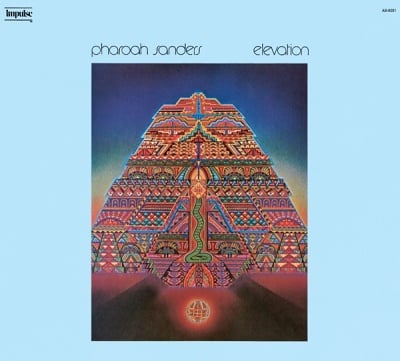
- LP 7898487£27.99Part of Verve’s ‘Vault’ series.In stockAdd to Bag
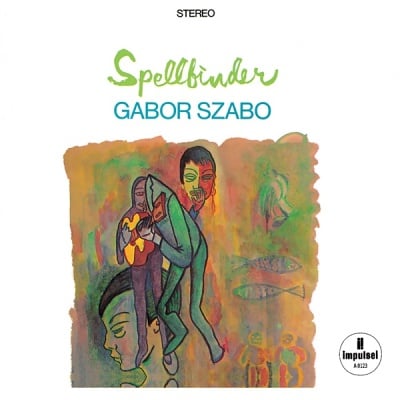
- – Spellbinder
- – Witchcraft
- – It Was A Very Good Year
- – Gypsy Queen
- – Bang Bang (My Baby Shot Me Down)
- – Cheetah
- – My Foolish Heart
- – Yearning
- – Autumn Leaves/Speak To Me Of Love
- 1. – Spellbinder
- 2. – Witchcraft
- 3. – It Was A Very Good Year
- View full info and tracklisting
- LP 7898486£27.99Part of Verve’s ‘Vault’ series.In stockAdd to Bag

- – Muddy Waters – (I’m Your) Hoochie Coochie Man
- – Little Walter – Juke
- – Howlin’ Wolf – Smokestack Lightnin’
- – Chuck Berry – Maybellene
- – Lowell Fulson – Reconsider Baby
- – Etta James – At Last
- – The Moonglows – Sincerely
- – Ramsey Lewis Trio – The “In” Crowd
- – Fontella Bass – Rescue Me
- – Tommy Tucker – High Heel Sneakers
- – Buddy Guy – First Time I Met the Blues
- – Jackie Brenston & His Delta Cats – Rocket 88
- – Chuck Berry – Johnny B. Goode
- – John Lee Hooker – Ground Hog Blues
- – Bo Diddley – Bo Diddley
- – Billy Stewart – I Do Love You
- – The Dells – Stay in My Corner
- – Etta James – All the Way Down
- – Little Walter – Crazy Mixed Up World
- – Muddy Waters – Rollin’ Stone
- – Otis Rush – So Many Roads, So Many Trains
- – Sonny Boy Williamson – Don’t Start Me To Talkin’
- – Jimmy Rogers – That’s All Right
- – Howlin’ Wolf – Spoonful
- – Gene Ammons – My Foolish Heart
- 1. – Muddy Waters – (I’m Your) Hoochie Coochie Man
- 2. – Little Walter – Juke
- 3. – Howlin’ Wolf – Smokestack Lightnin’
- View full info and tracklisting
- 2×LP 8803389£36.99In stockAdd to Bag

- LP 7832961£31.99Out of stock Notify me when in stock
- CD 7870746£19.99In stockAdd to Bag
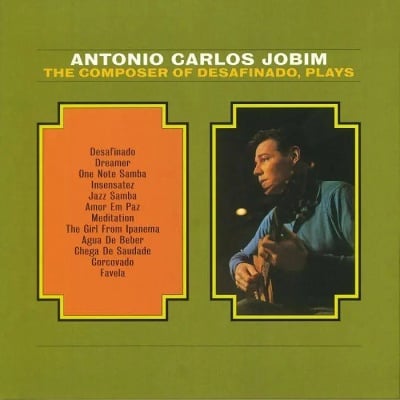
- LP 7817988£27.99In stockAdd to Bag
- Original LP£15.00Vinyl condition: VG+Sleeve condition: VG+Original Pre-Owned Out-of-Print USA vinylIn stockAdd to Bag
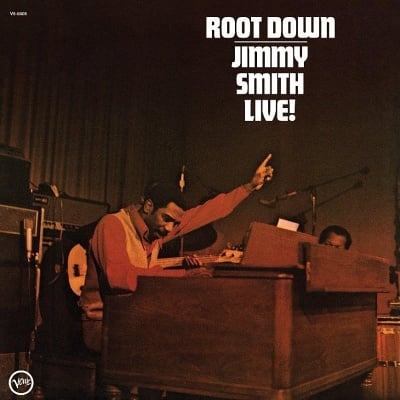
- – Root Down (And Get It)
- 4. – Root Down (And Get It)
- View full info and tracklisting
- LP (180 gram) 6562738£31.99Part of Verve's 'Acoustic Sounds' Series.In stockAdd to Bag

- New LP (180g) 7581300£31.99Acoustic Sounds SeriesIn stockAdd to Bag
- CD 9786300372962£14.99Out of stock Notify me when in stock
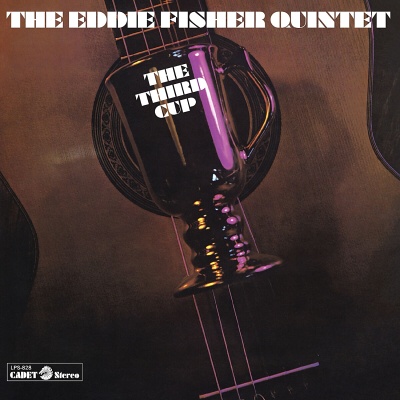
- LP (180 gram) 5849225£34.99In stockAdd to Bag
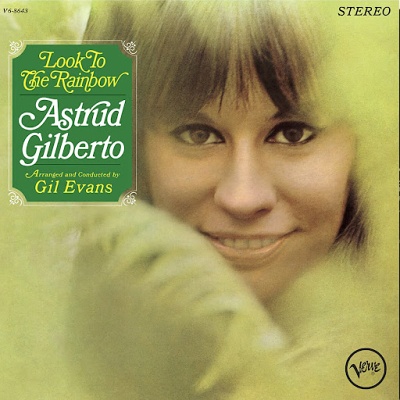
- Original LP£30.00Vinyl condition: VG+Sleeve condition: VG+Original Pre-Owned Canadian vinylSold out Notify me when in stock
- LP (180 gram) 5849206£34.99In stockAdd to Bag
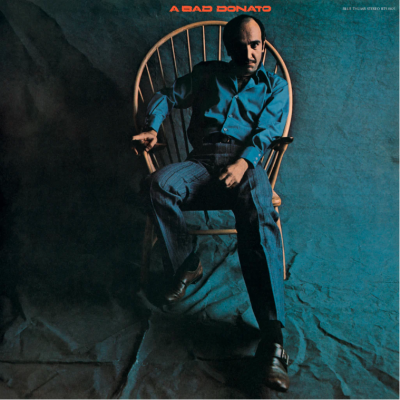
- – The Frog
- – Lunar Tune
- 1. – The Frog
- 4. – Lunar Tune
- View full info and tracklisting
- LP (180 gram) 5562440£35.00In stockAdd to Bag

- LP (180 gram) 4847618£28.00In stockAdd to Bag
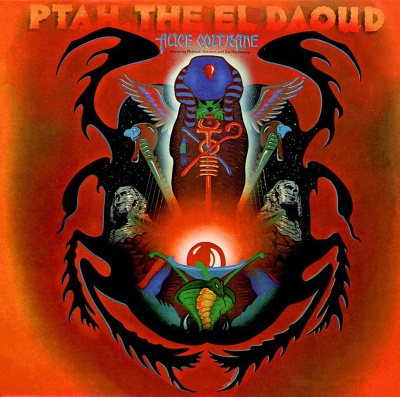
- – Ptah, The El Daoud
- – Turiya And Ramakrishna
- – Blue Nile
- – Mantra
- 1. – Ptah, The El Daoud
- 2. – Turiya And Ramakrishna
- 3. – Blue Nile
- View full info and tracklisting
- New LP (180g) 4599137£28.00Out of stock Notify me when in stock
- CD IMP12012£7.99In stockAdd to Bag
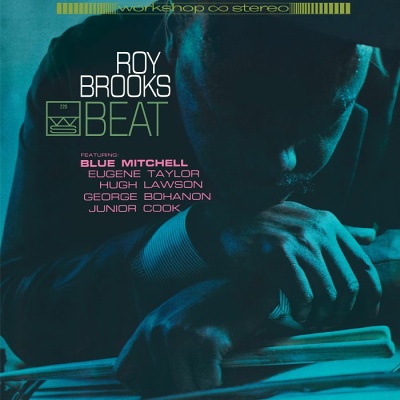
- – Homestretch
- – If I Could See Me Now
- – Passin' The Buck
- – Soulin'
- – Soulsphere
- – My Secret Passion
- 1. – Homestretch
- 2. – If I Could See Me Now
- 3. – Passin' The Buck
- View full info and tracklisting
- New LP (180g) 4599135£28.00In stockAdd to Bag
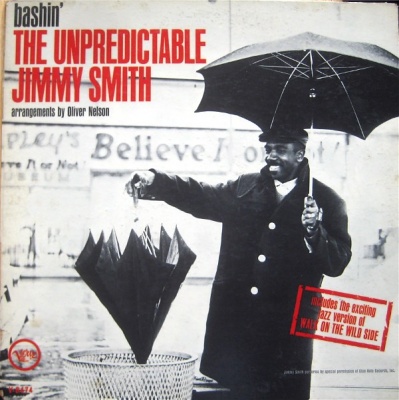
- Original LP£15.00Vinyl condition: VG+Sleeve condition: VG+Original Pre-Owned Out-of-Print USA VinylIn stockAdd to Bag
- Original LP£12.00Vinyl condition: VG+Sleeve condition: VG+Original = Original USA Vinyl
100% Guarantee on this and all Original Vinyl at Sounds Of The Universe - 'if you're not happy we're not happy' or your money back!In stockAdd to Bag

- – Dearly Beloved
- 1. – Dearly Beloved
- View full info and tracklisting
- Original LP£15.00Vinyl condition: VGSleeve condition: VGOriginal Pre-Owned USA Vinyl, clean vinyl but bit of noise in pressingIn stockAdd to Bag
- Original LP£15.00Vinyl condition: VG+Sleeve condition: VG+Original Pre-Owned USA VinylIn stockAdd to Bag

- Original LP£20.00Vinyl condition: VG+Sleeve condition: VG+Original Pre-Owned Out-of-Print USA VinylIn stockAdd to Bag
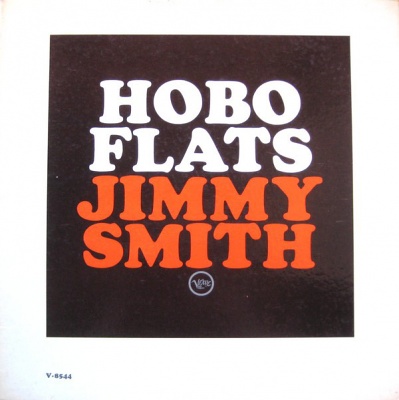
- Original LP£15.00Vinyl condition: VG+Sleeve condition: VG+Original Pre-Owned USA VinylIn stockAdd to Bag
- Original LP£18.00In stockAdd to Bag
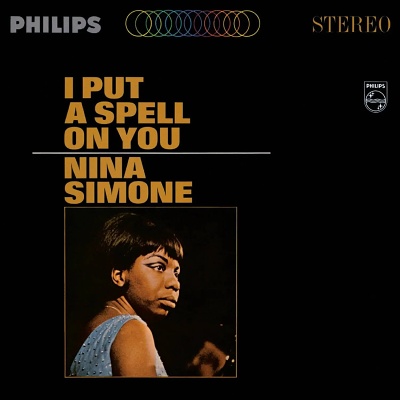
- – I Put A Spell On You
- – Tomorrow Is My Turn
- – Ne Me Quitte Pas
- – Marriage Is For Old Folks
- – July Tree
- – Gimme Some
- – Feeling Good
- – One September Day
- – Blues On Purpose
- – Beautiful Land
- – You've Got To Learn
- – Take Care Of Business
- 1. – I Put A Spell On You
- 2. – Tomorrow Is My Turn
- 3. – Ne Me Quitte Pas
- View full info and tracklisting
- New LP (Coloured Vinyl) 8822160£27.99'Blue' coloured vinyl.In stockAdd to Bag
- Original LP£12.00Vinyl condition: VG+Sleeve condition: VG+Original Pre-Owned Out-of-Print USA VinylIn stockAdd to Bag
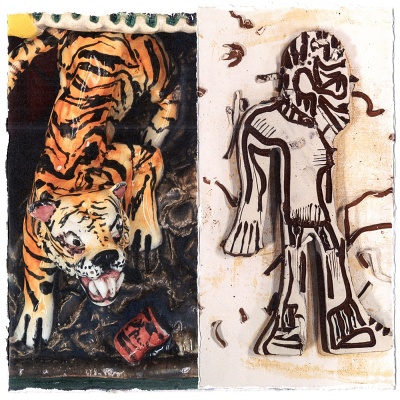
- – Minty
- – Back Home
- – Home on the Range
- – Leadbelly
- 7. – Minty
- 12. – Back Home
- 18. – Home on the Range
- View full info and tracklisting
- 2×LP 10029LP£37.99In stockAdd to Bag
- 2×CD 10029CD£23.99Expected 08 May Notify me when in stock

- Delroy Wilson – I Don't Know Why
- Basil Daley – Hold Me Baby
- Myrna Hague – Touch Me Baby
- John Holt & The Paragons – Darling, I Need Your Loving
- The Sharks – How Could I Live (1st Cut)
- The Mad Lads – Ten To One
- Jackie Mittoo – Reggae Magic (2nd Cut)
- Larry & Alvin – Your Love
- Freddy & Jenny – Too Long Will Be Too Late
- Alton Ellis – Let Him Try
- Albert Tomlinson – Don't Wait For Me
- Horace Andy – Got To Be Sure
- Carlton & His Shoes – Never Give Your Heart Away
- The Heptones – Ready To Learn
- Bob & Marcia – Really Together (No Strings)
- Ernest Wilson – Undying Love
- Bob Marley & The Wailers – I'm Still Waiting (1st Cut)
- Doreen Schaeffer – We're All Alone
- 1. Delroy Wilson – I Don't Know Why
- 2. Basil Daley – Hold Me Baby
- 3. Myrna Hague – Touch Me Baby
- View full info and tracklisting
- 2×LP SJRLP116£28.00In stockAdd to Bag
- MP3 Release SJRD116£9.99In stockAdd to Bag

- – Greedy G
- – Granny Scratch Scratch
- 1. – Greedy G
- 2. – Granny Scratch Scratch
- View full info and tracklisting
- 12" SJR478-12£15.00In stockAdd to Bag
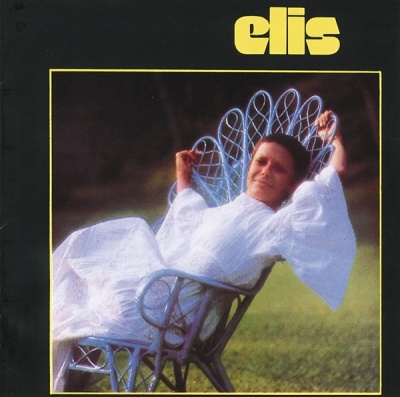
- – 20 Anos Blue
- – Bala Com Bala
- – Nada Será Como Antes
- – Mucuripe
- – Olhos Abertos
- – Vida De Bailarina
- – Águas De Março
- – Atrás Da Porta
- – Cais
- – Me Deixa Em Paz
- – Casa No Campo
- – Boa Noite Amor
- 1. – 20 Anos Blue
- 2. – Bala Com Bala
- 3. – Nada Será Como Antes
- View full info and tracklisting
- LP 3540078£27.99Out of stock Notify me when in stock
- – Vida
- – Mar E Lua
- – Deixe A Menina
- – Já Passou
- – Bastidores - Backstage
- – Qualquer Canção
- – Fantasia
- – Eu Te Amo
- – De Todas As Maneiras
- – Morena De Angola
- – Bye Bye Brasil
- – Não Sonho Mais
- 1. – Vida
- 2. – Mar E Lua
- 3. – Deixe A Menina
- View full info and tracklisting
- New LP (Coloured Vinyl) 5562763£27.99'Green' coloured vinyl.In stockAdd to Bag